
Tritordeum
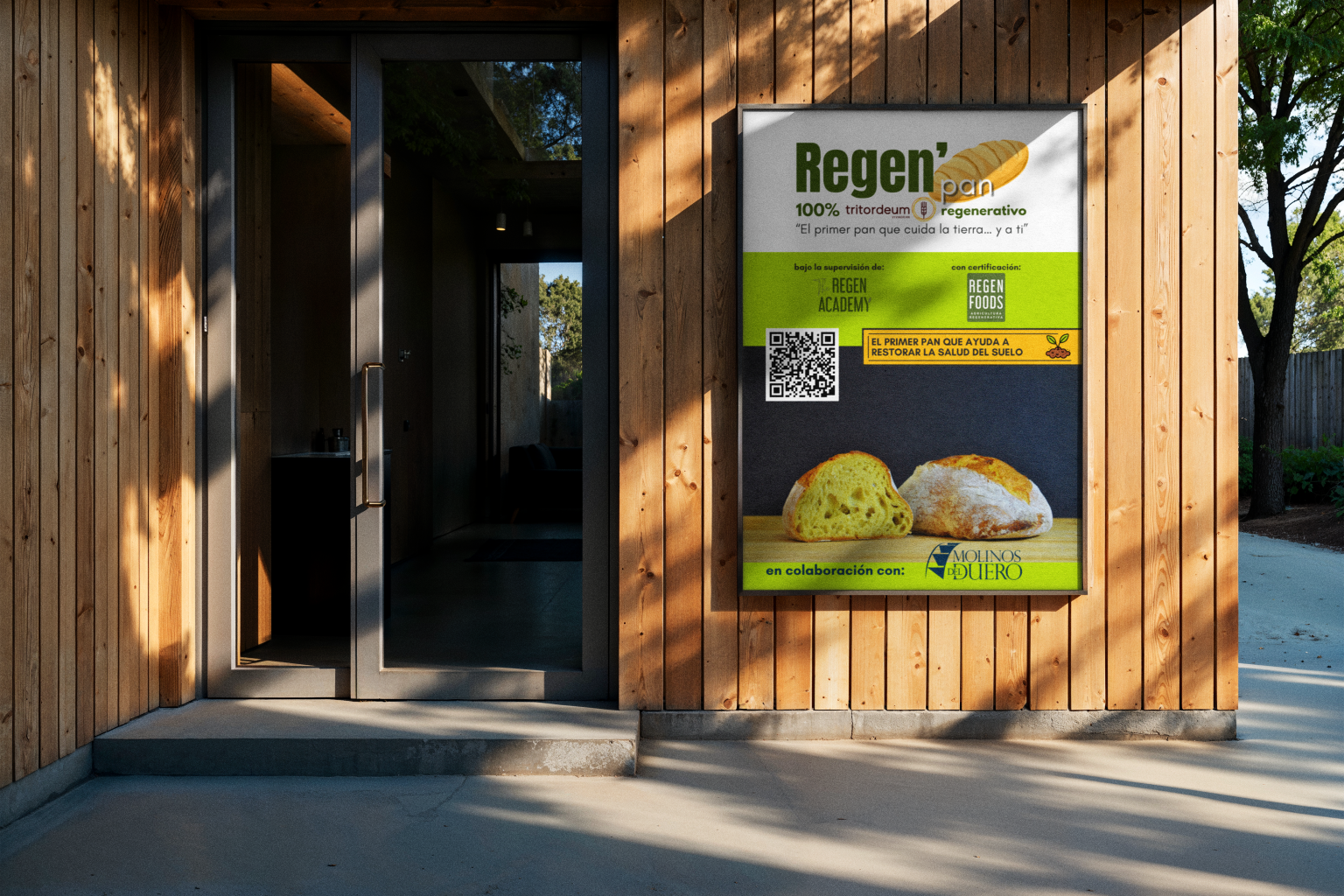
Regen'

Diseño sin título (26)

Tritordeum
Regen'

¿Qué es Tritordeum Regen'?

La incorporación de Tritordeum a la rotación de cultivos de los agricultores que practican la Agricultura Regenerativa

La agricultura regenerativa es un enfoque que se centra en restaurar y mejorar la salud del suelo, aumentar la biodiversidad y mejorar los ciclos del agua.

Su objetivo es secuestrar carbono, reducir la dependencia de insumos químicos y construir ecosistemas resilientes. El objetivo es crear sistemas sostenibles y autorrenovables que beneficien tanto al medio ambiente como a la productividad agrícola.

Un enfoque holístico que considera el suelo, las plantas, los animales, el agua y las personas

Rebuild Soil Health. 

Improving the physical, chemical, and biological properties of soil to make it more resilient and fertile.

Improve Bio Diversity. 

Increasing the variety and abundance of living organisms—plants, animals, insects, and microorganisms—within the ecosystem.

Protect Wildlife. 

Safeguarding the natural habitats and species that exist within the ecosystem from harm or destruction.

Efficient Water Use. 

Maximizing the benefits of water with minimal waste by applying it in ways that meet the needs of crops.

Superior Farmer Incomes. 

Earning higher or more stable profits from their agricultural activities compared to conventional practices.

Nuestros objetivos

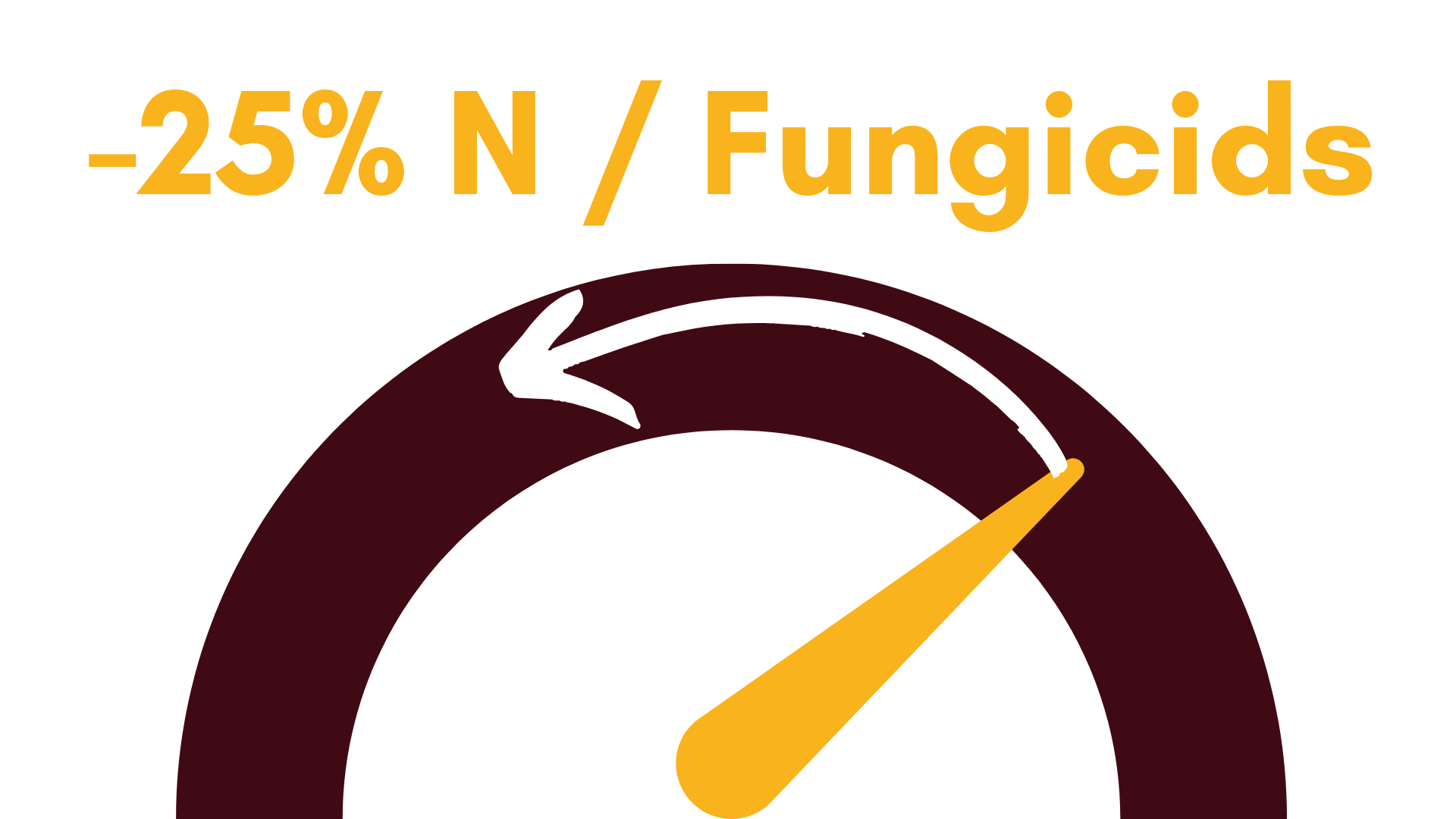
Tenemos la misión de reducir el uso de insumos en la agricultura gracias a nuestras variedades resistentes al clima
1
2
3

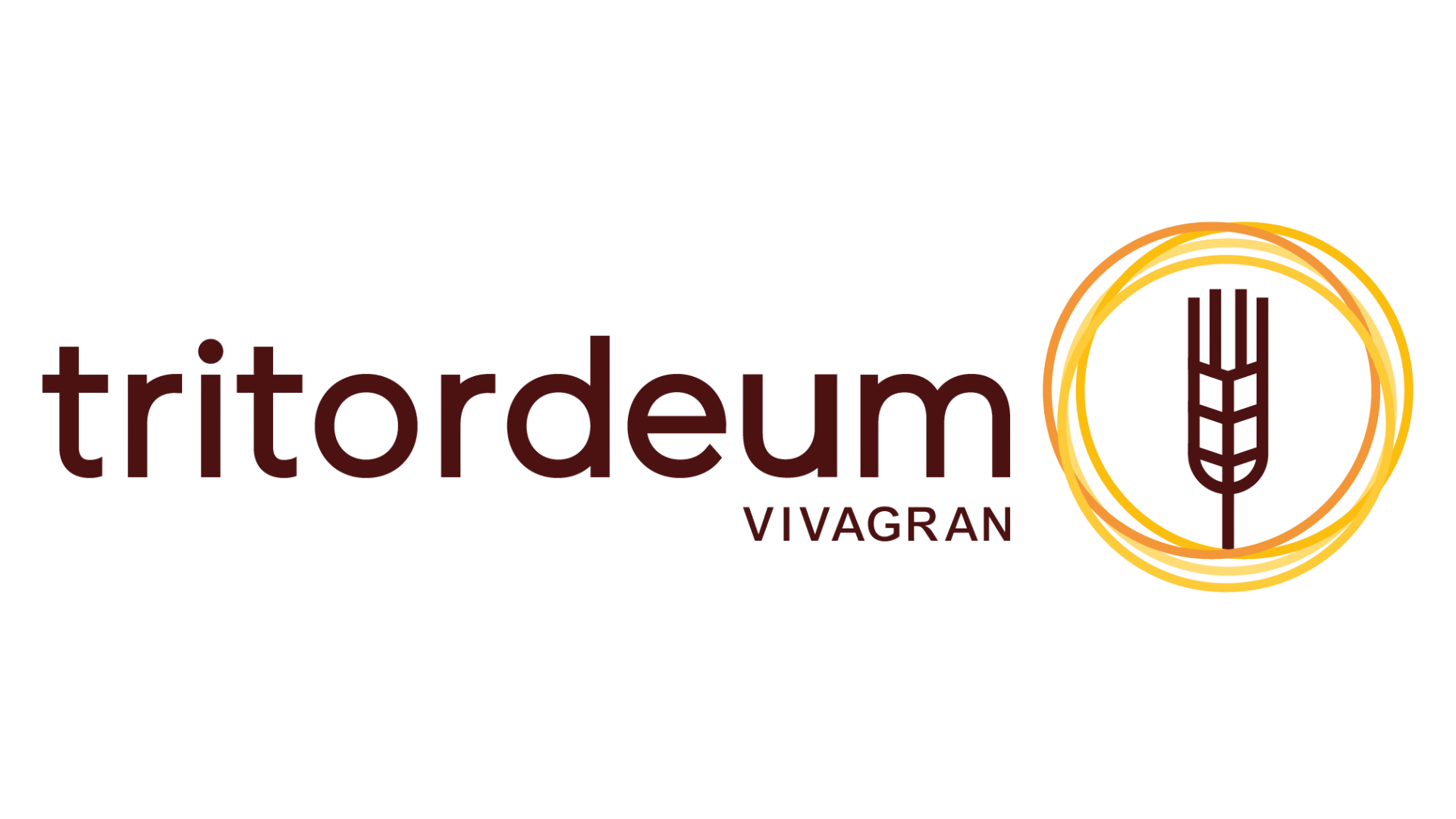
Tritordeum es un cereal resistente que permite a los agricultores reducir el uso de agua, fertilizantes y fungicidas, al tiempo que reduce las emisiones de gases de efecto invernadero (GEI).

Su tolerancia natural a la sequía requiere menos riego, lo que lo hace ideal para regiones con escasez de agua.

Tritordeum también utiliza los nutrientes de manera más eficiente, lo que reduce la necesidad de fertilizantes.

Además, su fuerte resistencia a enfermedades, como la roya y la septoria, minimiza el uso de fungicidas.

Al reducir los insumos químicos y el agua, Tritordeum contribuye a reducir las emisiones de GEI, lo que favorece prácticas agrícolas más sostenibles.

Nuestro enfoque Regen'

Una cadena de suministro consciente desde la semilla hasta la mesa
Sustainable Production Practices. 

Our supply chain uses regenerative farming, supports a local-only value chain, avoids storage chemicals, and focuses on mono-varietal crops for purity and sustainability.

Auditing and Certification. 

All farms are audited during production to ensure regenerative practices are properly applied. We conduct thorough carbon sequestration analyses and soil health assessments to track improvements. Certification is provided by The Regen Academy, ensuring adherence to the highest standards of sustainability.

Traceability from Seed to Food. 

We ensure full traceability across the entire value chain with a unique code per lot, allowing identification of the seed, farmer, post-harvest processor, variety, and the year and location of production. All data is transparently reported on our website for easy consultation.

7d419cac-fd70-4c1b-adc7-458b02404492_francescfont

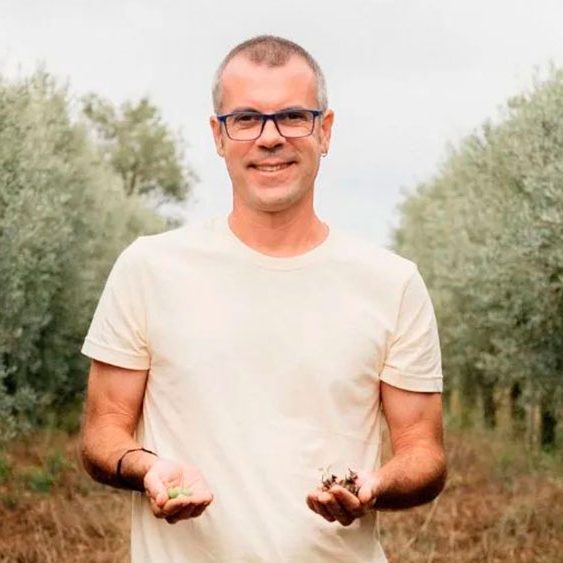
Conozca a Francesc Font, el fundador de The Regen Academy

"En nuestra granja familiar, siempre habíamos cultivado viñedos, olivos y cereales utilizando prácticas convencionales. Pero llegó un momento en que me di cuenta de que estábamos trabajando incansablemente para obtener muy pocas ganancias y, además, nuestra tierra se estaba agotando cada vez más. Estábamos sobreviviendo como negocio solo gracias a las subvenciones".

En 2013, comenzó un viaje de descubrimiento hacia una nueva metodología llamada Agricultura Regenerativa. Inicialmente, era muy escéptico, pero con el tiempo se convenció de que este era el camino a seguir.

Desde entonces, no ha dejado de aprender y ayudar a otros agricultores a realizar la transición como lo hizo en la granja familiar. Ahora, ha reunido todo este conocimiento en el método The Regen 360°© para que otros puedan aplicarlo y beneficiarse de él.

Segell-Rectangular-The-Regen-Foods_18

The Regen Academy está proporcionando apoyo externo a la cadena de valor de Tritordeum Regen' y certificando el grano cosechado bajo el certificado The Regen Foods.

Este sello de excelencia garantiza que los agricultores involucrados han aplicado prácticas de agricultura regenerativa, lo que garantiza la sostenibilidad y la calidad durante todo el proceso.

Obtenga más información sobre las prácticas Regen' que aplicamos

No-Till Farming. 

Inputs: Specialized no-till equipment, crop residue.

Outputs: Improved soil structure, increased organic matter, reduced soil disturbance, enhanced carbon sequestration.

Cover Cropping. 

Inputs: Seeds of cover crops (legumes, grasses), water (minimal).

Outputs: Increased soil fertility, reduced erosion, improved water retention, enhanced biodiversity.

Rotational Grazing. 

Inputs: Livestock, fencing for grazing management.

Outputs: Healthier pastures, improved soil fertility, reduced overgrazing, increased biodiversity, manure as natural fertilizer.

Composting Organic Matter. 

Inputs: Plant residues, manure, organic waste.

Outputs: Rich compost to improve soil health, enhanced nutrient cycling, reduced waste.

Crop Rotation. 

Inputs: Diverse crop seeds, minimal additional inputs.

Outputs: Reduced pest/disease pressure, improved nutrient cycling, healthier soils.

Agroforestry. 

Inputs: Trees, shrubs, and perennial plants.

Outputs: Enhanced biodiversity, increased carbon sequestration, improved microclimates, soil stabilization.

Mulching. 

Inputs: Organic material (straw, leaves, compost).

Outputs: Improved moisture retention, reduced weed growth, enhanced soil fertility.

Water Management. 

Inputs: Drip irrigation systems, rainwater harvesting setups.

Outputs: Optimized water use, reduced water waste, improved crop yields in water-scarce environments.

¿Cómo nos aseguramos de que nuestras prácticas agrícolas sean eficaces?

By Measuring Carbon Sequestration. 

Soil Core Samples: Collect soil samples from different depths (usually 0-30 cm and deeper) across a field.

Lab Analysis: Analyze these samples in a laboratory to determine the soil's organic carbon content (SOC), often through dry combustion techniques or spectrometry.

Baseline Measurement: Establish a baseline measurement at the start of regenerative practices, then remeasure over time (annually or after crop cycles) to detect changes in carbon content.

By Monitoring Green House Gases Emissions. 

Activity Data: This involves tracking inputs like fertilizer use, fuel consumption, livestock numbers, and manure management.

Emission Factors: Predefined values based on research that estimate GHG emissions per unit of activity (e.g., kilograms of N₂O released per kg of nitrogen fertilizer used).

Únase a la familia Regen'

Rellene este formulario para unirse al movimiento y asegurar su Tritordeum Regen'
Mockup

Regen Form
First
Last

Scroll al inicio
0
YOUR CART
  • No products in the cart.