

Brewing with Tritordeum Malt: An Interview with Jan Mordhorst, German Homebrewing Champion 2025
When innovation in brewing is discussed, attention often focuses on new hop varieties or yeast strains. Yet, cereals remain the true backbone of beer. In 2025, German home-brewer Jan Mordhorst demonstrated how a novel cereal can redefine a classic style, winning the German Homebrewers Championship with an Altbier featuring Tritordeum malt. In this interview, he shares his technical, sensory, and practical experience working with Tritordeum from home-brew scale to a 240 hL professional brew.
ARTICLE TYPE:
We interviewed Jan Mordhorst, home-brewer, innovator, and winner of the 2025 German home-brewer competition using Tritordeum malt as its "secret ingredient" to success. Jan shared with us his experience on brewing with Tritordeum from small to large scale.
- BLOG -
Check our Latest Posts


READING TIME:
10 min
CONNECT WITH US:
ARTICLE:
Read Mode Prevent your screen from going dark as you read.
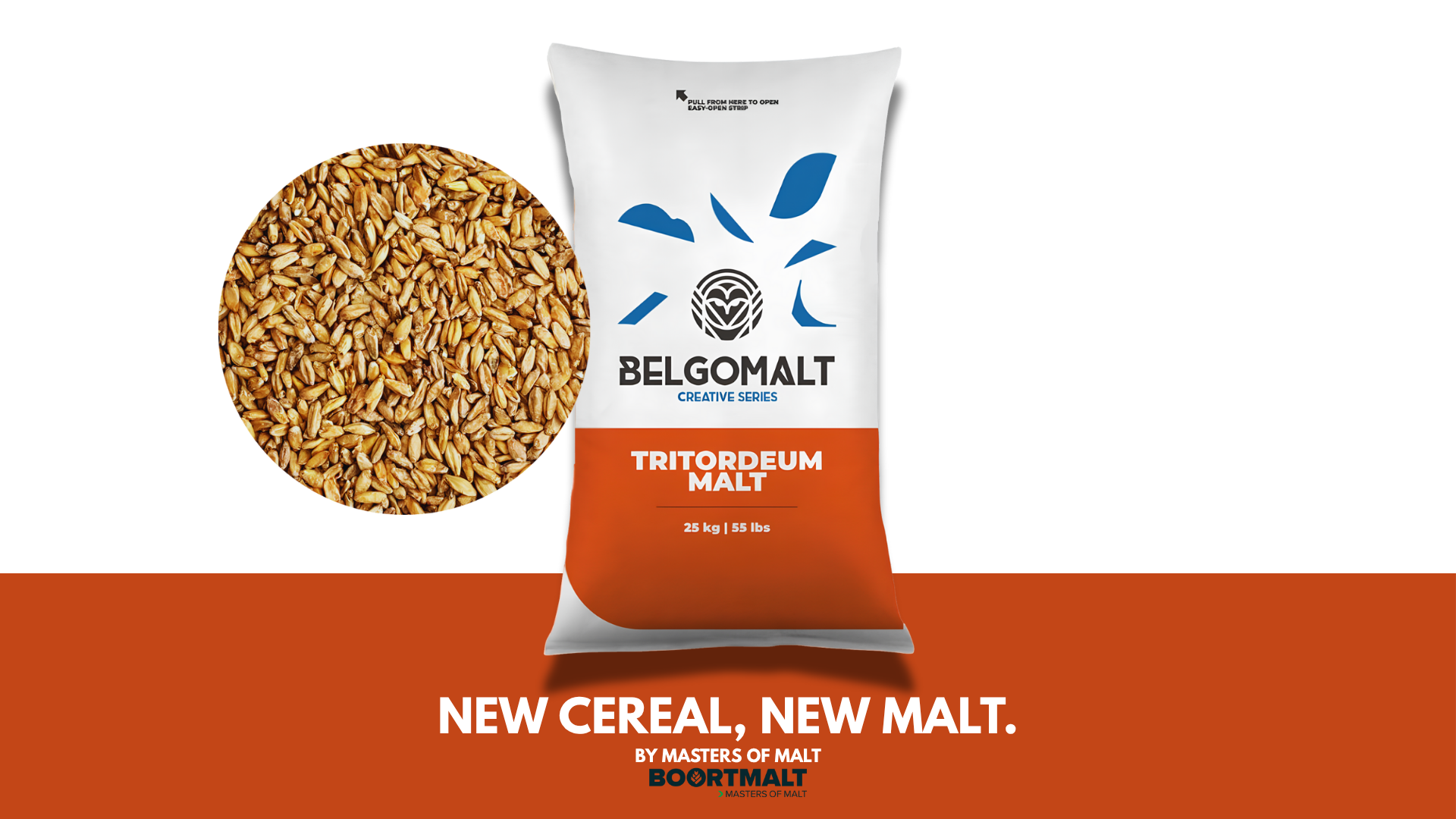
Discovering Tritordeum Malt
Jan’s first encounter with Tritordeum was rooted in personal connection and curiosity rather than trend-following.
“My brother knew Paul, one of the founding fathers of Tritordeum, from their time together at university in Hamburg. Since I’m always very interested in new ingredients, Paul kindly provided me with 5 kg of Tritordeum malt in 2019.”
From the outset, the malt made a strong impression:
“I made my first satisfactory attempts with a pale ale. The beautiful color and mouthfeel were very striking.”
While Jan was already experienced with alternative cereals—regularly using oat flakes, rye malt, and wheat malt—Tritordeum stood out enough to merit deeper exploration.
Technical Performance at Home-Brewing Scale
From a process perspective, Tritordeum required attention but not radical changes.
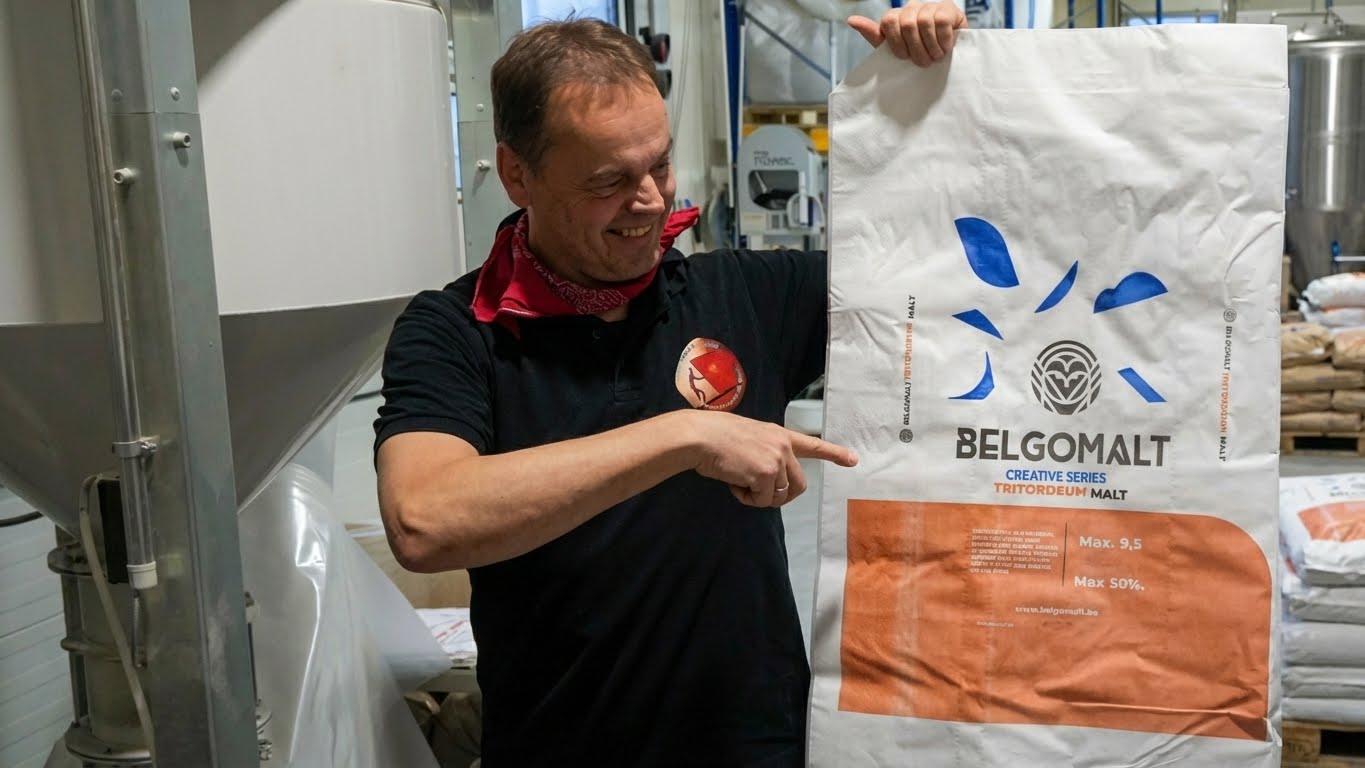
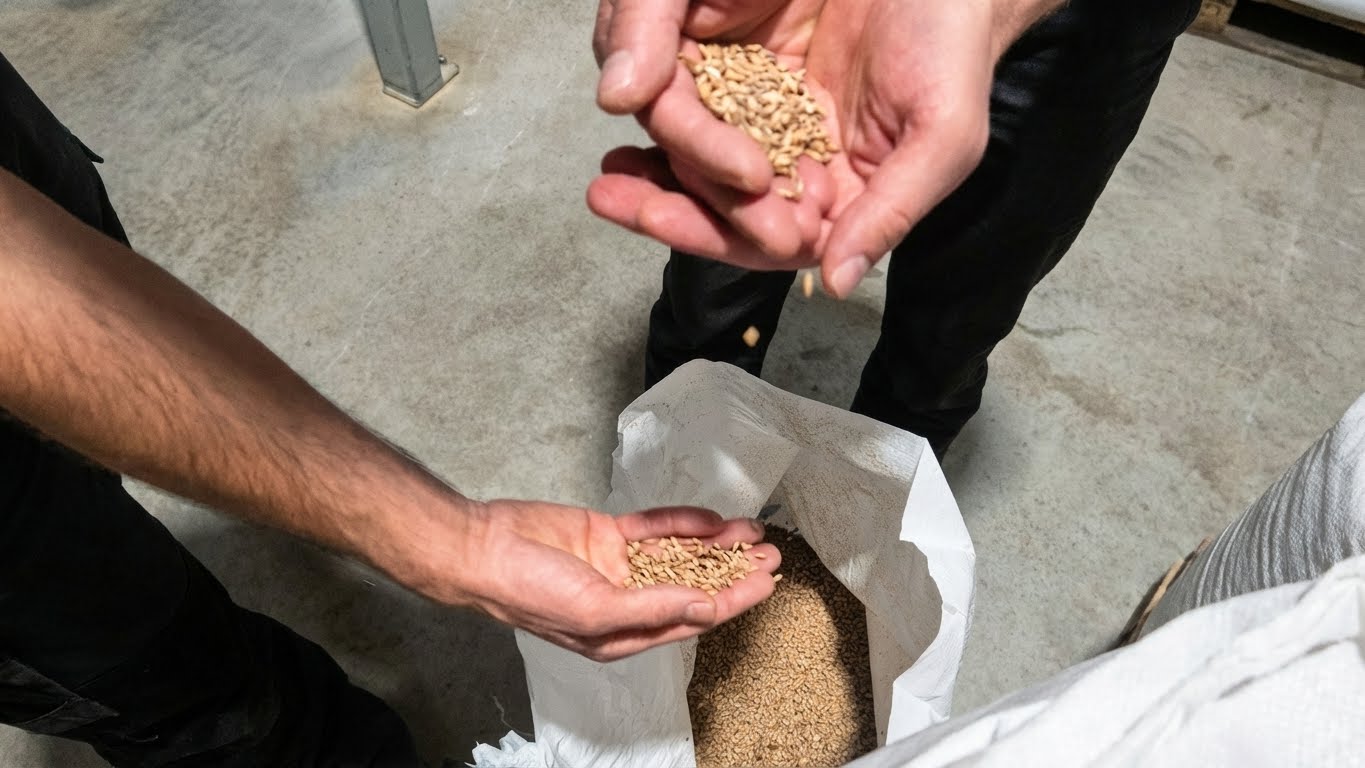
“Tritordeum malt is husk-free and should not be used in quantities exceeding 50% in a brew. That said, I would very much like to try using 100% Tritordeum malt.”
He observed that Tritordeum malt is softer than wheat malt and adjusted his milling accordingly:
“For my brews, I crushed Tritordeum malt with a very narrow gap.”
In the Altbier recipe, Jan relied on Tritordeum’s enzymatic strength:
“I deliberately avoided a multi-stage mash, as Tritordeum malt has a very high diastatic power.”
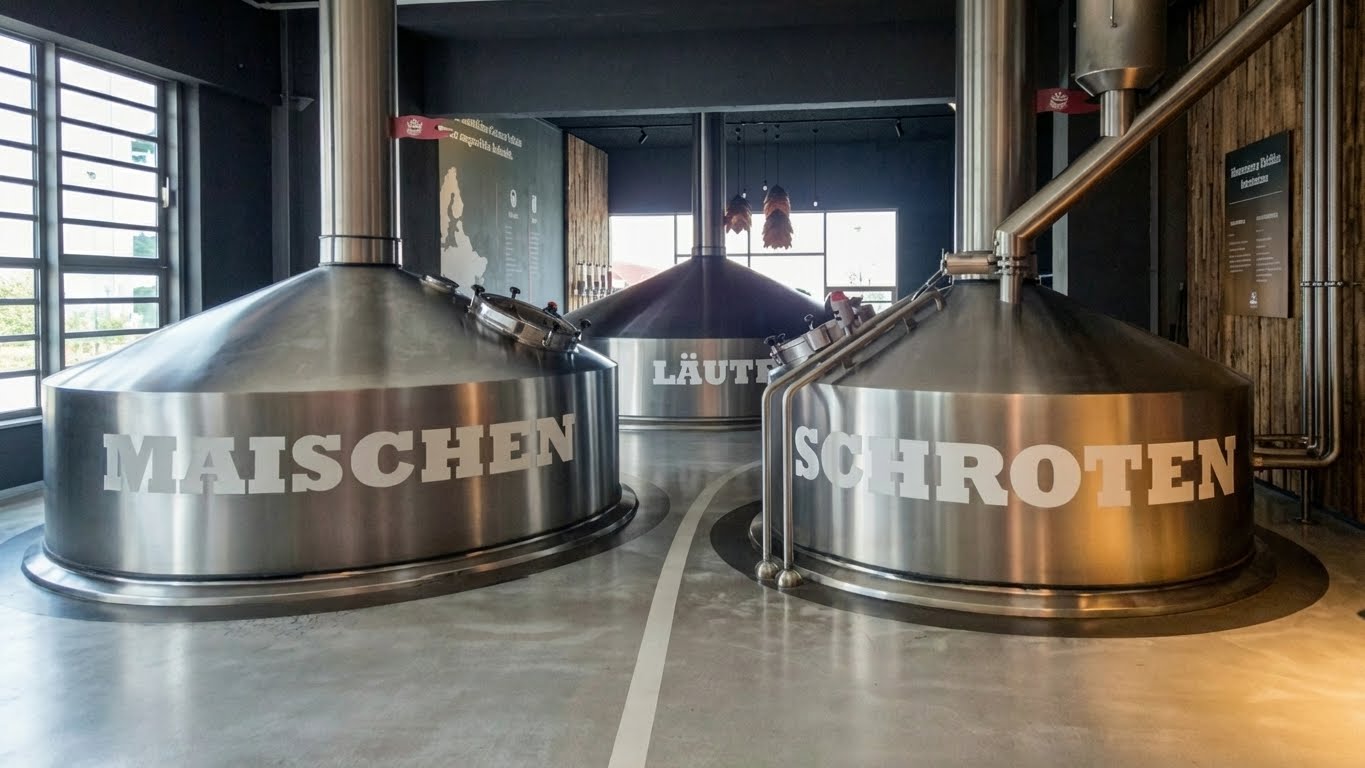
Despite common concerns with husk-free cereals, lautering was uneventful:
“The Tritordeum malt content was around 30%. Even without rice husks, the lautering process went smoothly.”
Efficiency exceeded expectations:
“We ended up with more than the expected extract. Tritordeum malt seems to be very efficient.”
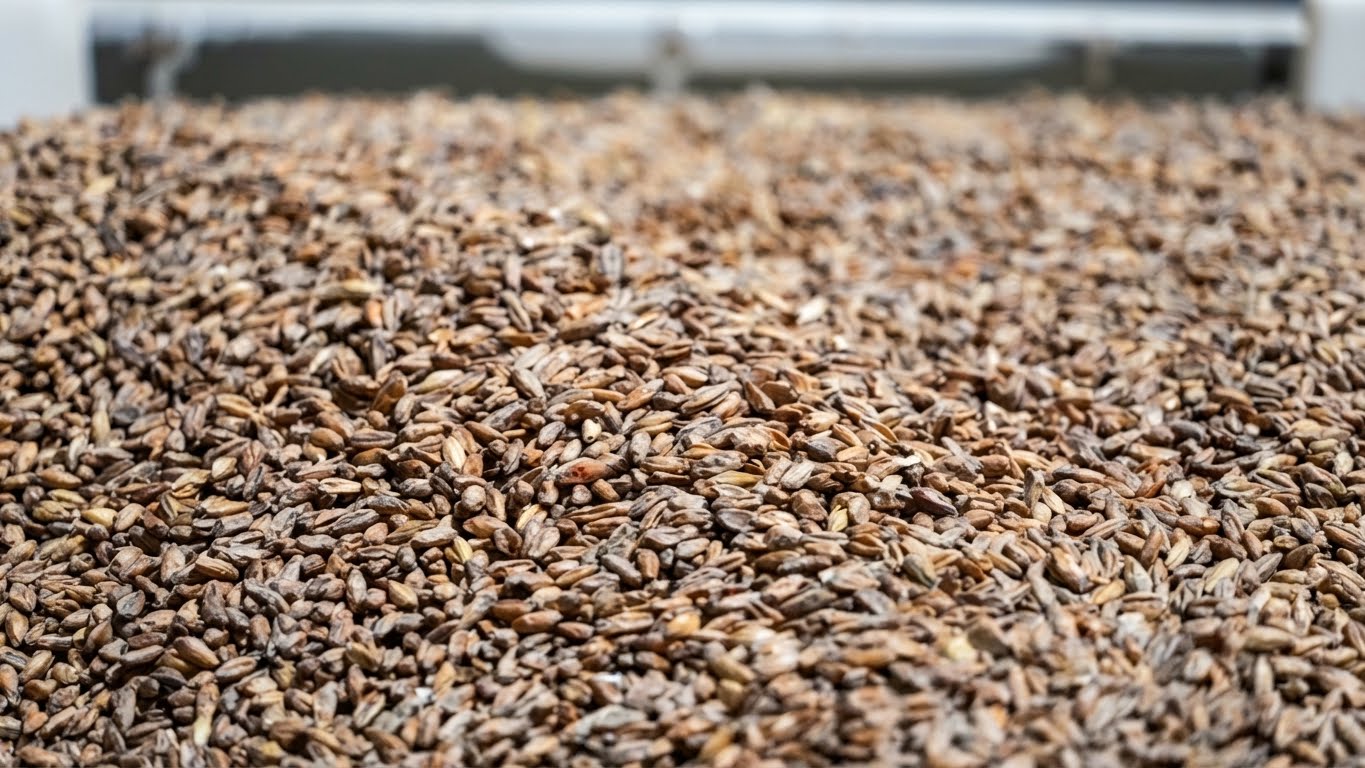
| “Tritordeum is a husk-free grain with very high enzymatic potential.”
Fermentation and Beer Quality
While Jan used a yeast strain he had not previously worked with, fermentation behavior was notably clean:
“The yeast was ready quickly and cleanly fermented. The beer became very clear even after a short maturation period.”
These observations align with the high fermentability and extract potential reported for Tritordeum malt in pilot-scale trials.
Sensory Contribution and Recipe Design
From a sensory standpoint, Tritordeum proved to be more than a neutral base malt.
“Tritordeum malt harmonizes perfectly with Munich malt. Used in roughly equal proportions, this resulted in a pure, nutty malt aroma.”
Rather than overpowering the grist, Tritordeum acted as an enhancer:
“I would describe Tritordeum as bringing out the flavor components of the Munich malt even more, while adding a special nutty note.”
Based on earlier trials, Jan also adjusted hopping strategy:
“I noticed a slightly increased bitterness in previous experiments, so I used defensive bitter hops in the Altbier.”
He sees particular potential in malt-forward styles:
“Beers made with Munich malt could benefit greatly. NEIPAs or stouts could also get a special kick in terms of mouthfeel and nuttiness.”
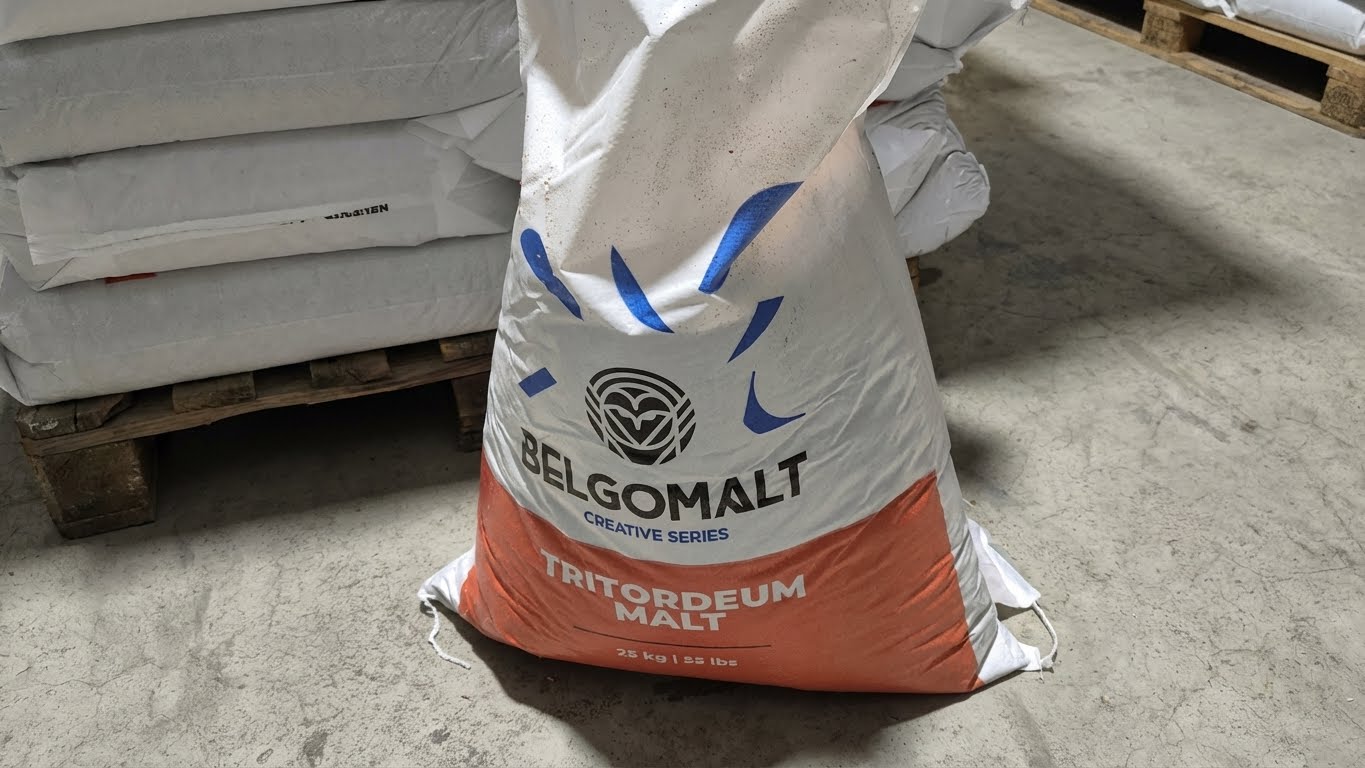
| “Tritordeum malt combines well with other malt types from barley or wheat origins.”
From Home Brew to 240 hL: Scaling Up
A defining moment was the transition from hobby brewing to a full-scale professional brew at Störtebeker Braumanufaktur.
“I expected problems with grinding and lautering, but the brewery is so professional that none of these problems occurred.”
The recipe itself translated remarkably well:
“Very few adjustments were made, mainly to hop additions. There were no adjustments regarding Tritordeum malt.”
Jan validated scale-up parameters in advance:
“I recreated the mash-in time in a test brew beforehand. The results were very similar.”
Beyond the technical success, the collaboration was deeply meaningful:
“It’s great that homebrewers are taken seriously here and that you can exchange ideas with professional brewers on an equal footing.”
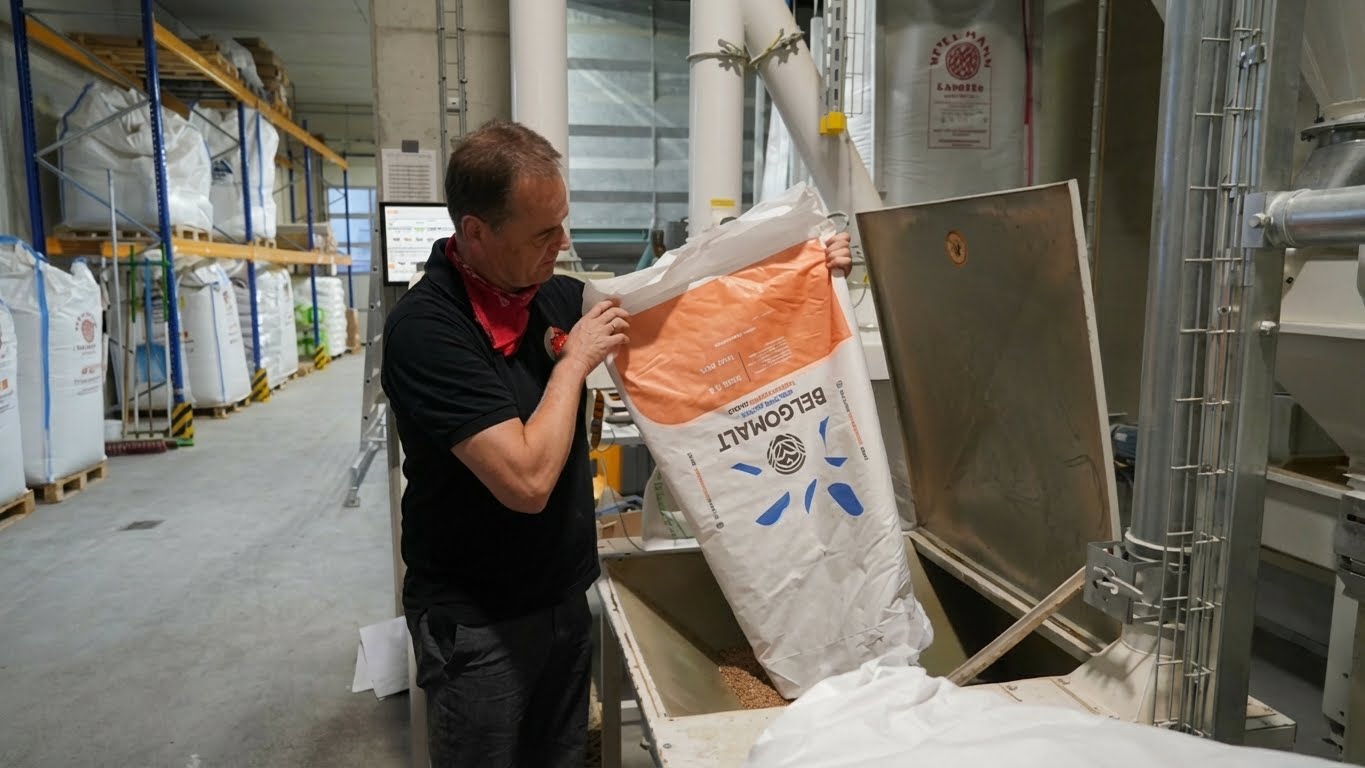
| “Tritordeum malt was used successfully at a 30% ratio in an industrial process.”
Advice for Brewers New to Tritordeum
For those considering Tritordeum malt, Jan offers clear, experience-based guidance:
“For a first trial, keep it at 10–30% of the grist, and set a very small gap on the grain mill.”
He also warns against excessive mash temperatures:
“In one early test brew, I mashed above 75 °C and the brew wasn’t iodine-neutral.”
Yet, his strongest advice is philosophical:
“The biggest mistake is not trying Tritordeum malt at all. New malts can lead to exciting beers—even in traditional styles.”
Looking Ahead: Tritordeum and the Future of Brewing
Jan sees Tritordeum as more than a novelty ingredient:
“I am very confident that Tritordeum malt will find its place in core recipes.”
He also highlights its relevance in a changing climate:
“With climate change, new hybrid grains will be essential. With appropriate breeding, they can be more resistant to drought and disease.”
Future experiments are already planned, from NEIPAs to session beers.
| “Tritordeum is a climate-resilient new grain that will be adopted by the brewing world.”
One Sentence for Fellow Brewers
When asked to summarize Tritordeum in a single line, Jan’s answer captures the spirit of innovation:
“Give it a try, be open to new things, brew beer with it, and enjoy the amazing new flavors and textures.”