

Tritordeum is a novel cereal grain hybrid, developed from durum wheat (Triticum durum) and wild barley (Hordeum chilense). Thanks to its unique genetic makeup, Tritordeum flour offers a compelling combination of nutritional and functional benefits that make it an excellent choice for inclusion in a healthy diet.
Gut Health and Digestibility: A Safer Gluten Option
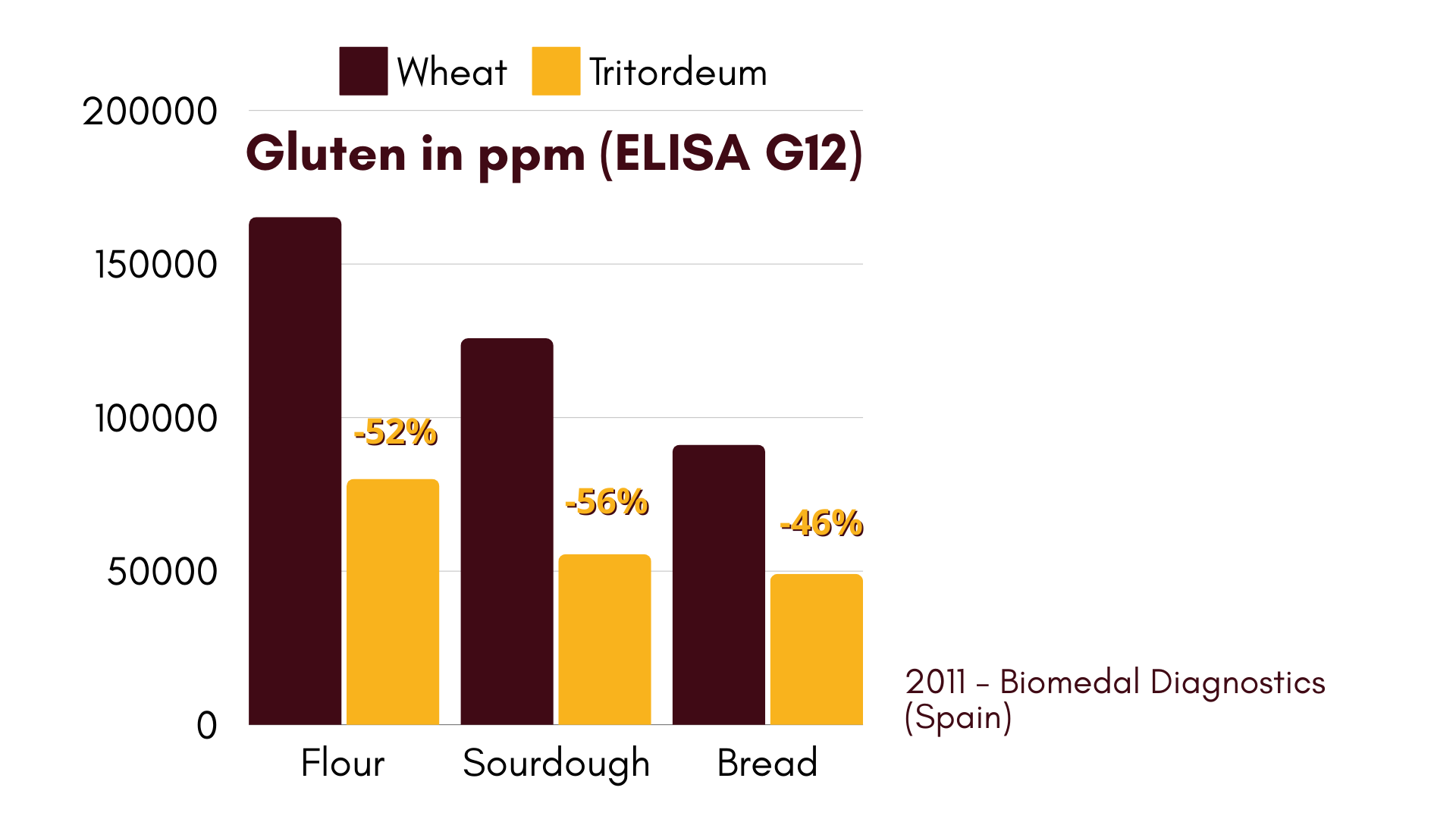
One of the standout features of Tritordeum is its reduced content of immunogenic gliadins — the gluten peptides responsible for triggering immune responses in sensitive individuals. Studies have demonstrated that Tritordeum has a significantly lower concentration of these harmful peptides compared to traditional wheat varieties, making it better tolerated by people with non-celiac gluten sensitivity and those seeking to reduce gluten intake without eliminating it entirely [1].
Furthermore, Tritordeum consumption has been associated with positive modulation of the gut microbiota. A study by Sánchez-León et al. showed that regular intake of Tritordeum bread induced beneficial changes in gut bacteria populations, supporting improved gut barrier integrity and overall digestive health [1].
Higher Dietary Fiber: Arabinoxylans and Fructans
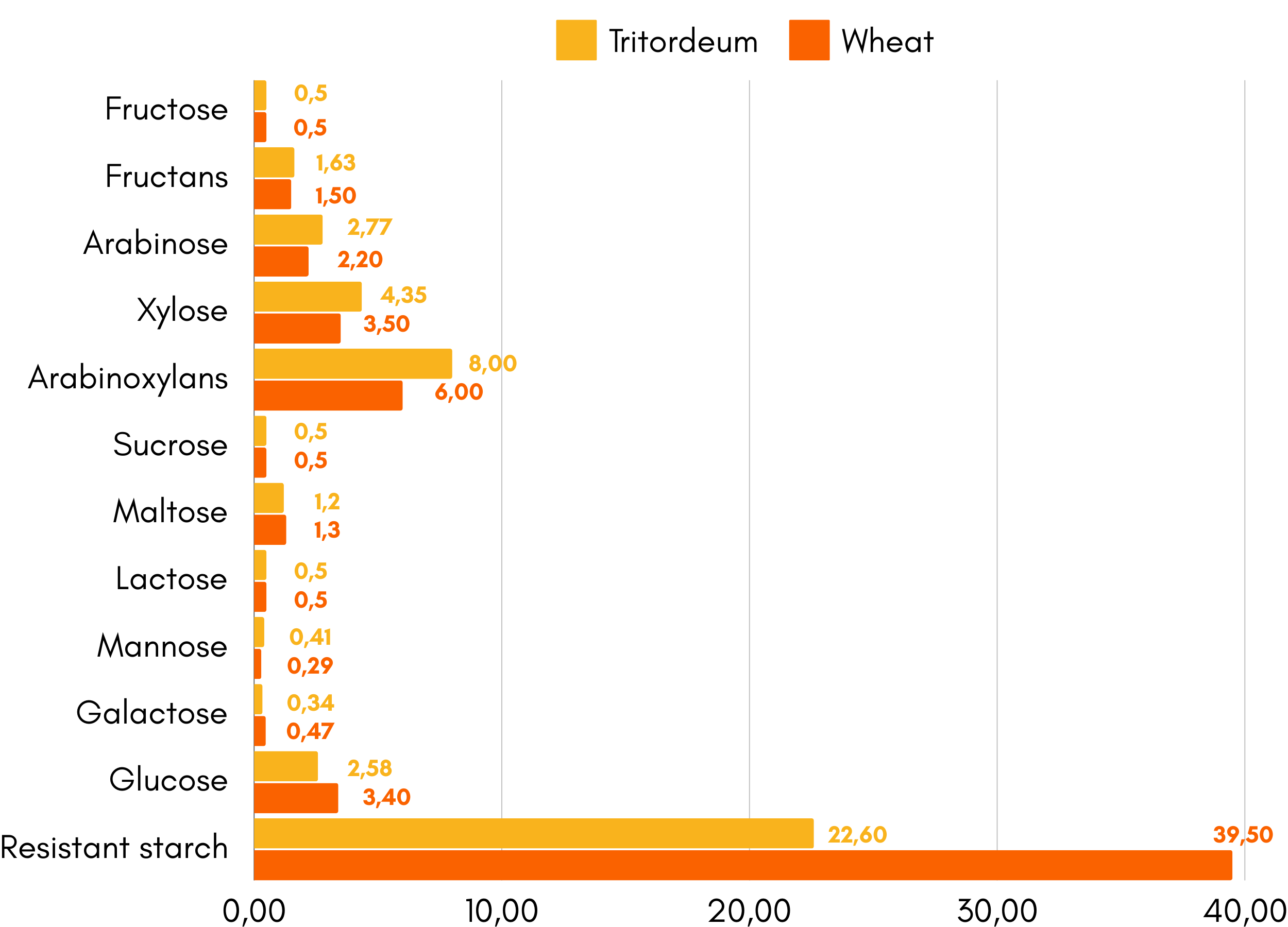
Tritordeum flour contains elevated levels of dietary fiber, especially arabinoxylans and fructans, which are prebiotic fibers known to promote the growth of beneficial gut bacteria. These fibers enhance digestive health by improving bowel regularity, modulating blood glucose levels, and reducing cholesterol absorption. With crude fiber contents around 13%, Tritordeum surpasses many traditional cereal grains in fiber richness, contributing to a feeling of satiety and better metabolic health [2].
Rich in Antioxidants: Lutein, Polyphenols, and Carotenoids
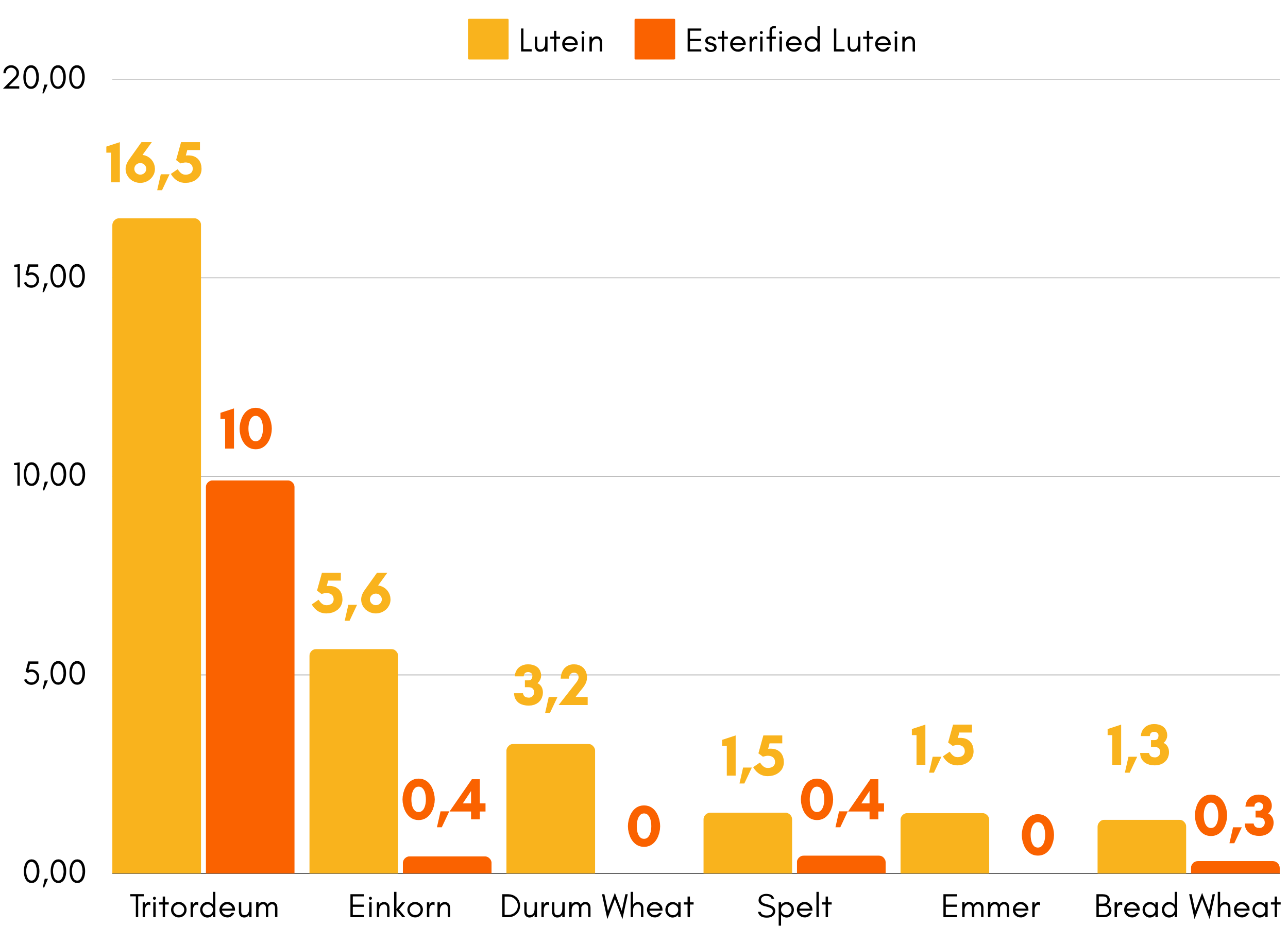
Tritordeum stands out for its exceptional antioxidant profile. It contains carotenoids such as lutein in quantities 5 to 8 times higher than those in durum wheat, along with polyphenols and flavonoids that collectively enhance antioxidant capacity [3]. Lutein is particularly important for eye health and has anti-inflammatory properties beneficial for chronic disease prevention.
Incorporation of Tritordeum flour into food products has been shown to increase total phenolics, flavonoids, and antioxidant activity, which remain present even after cooking, albeit at reduced levels. This antioxidant richness supports cellular protection from oxidative stress and may reduce the risk of cardiovascular diseases and certain cancers [3,4].
Nutritional Profile: Protein and Minerals
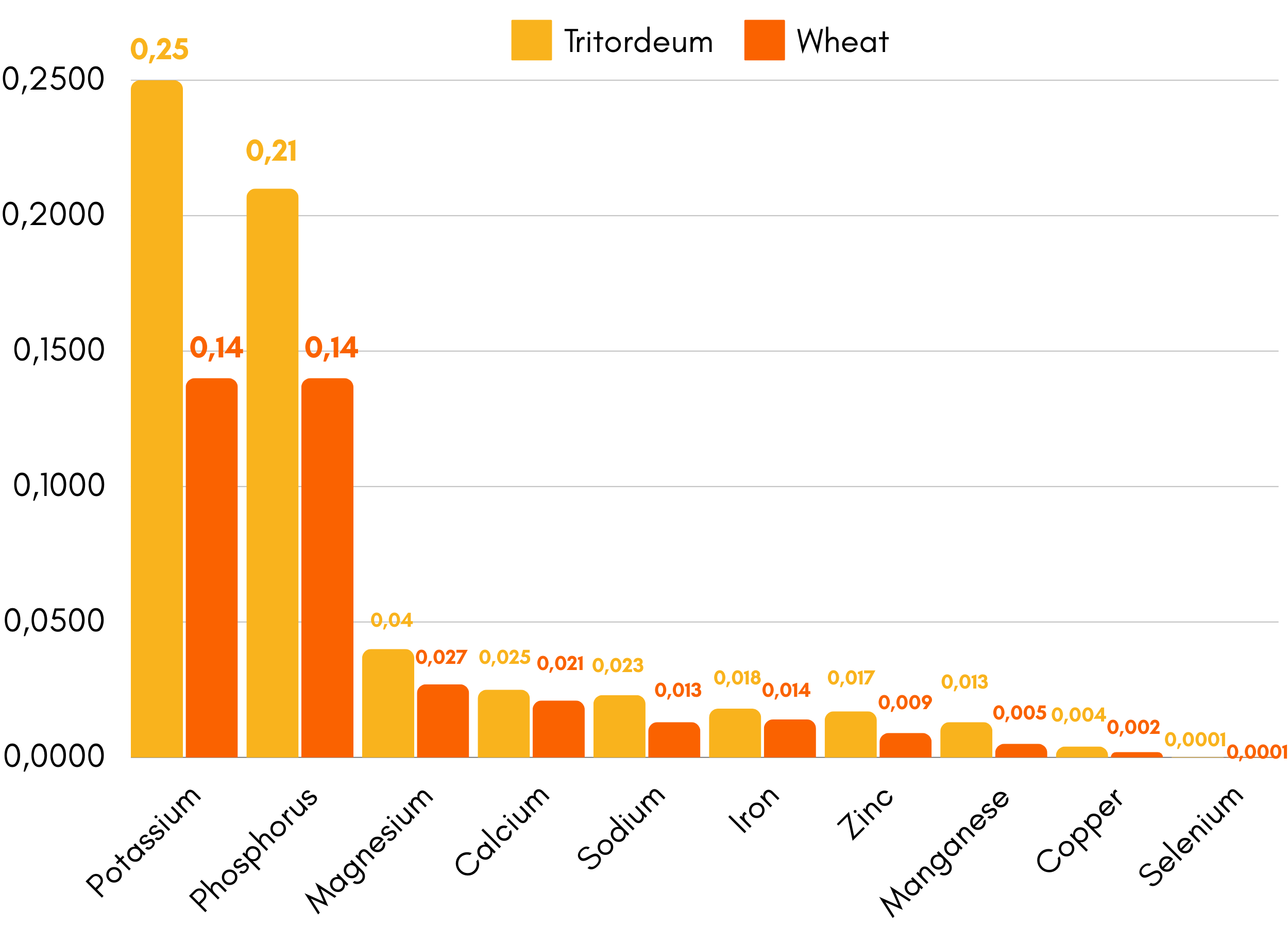
Beyond fiber and antioxidants, Tritordeum flour offers a well-balanced macronutrient composition with approximately 15-18% protein, superior to many common cereal flours. It also has a higher mineral (ash) content, reflecting a richer supply of essential micronutrients such as potassium, phosphorus and magnesium. These nutrients contribute to overall wellness, supporting muscle function, energy metabolism, and immune defense [5].
Sensory and Functional Benefits
Tritordeum flour’s water and oil absorption capacities contribute to superior baking performance, yielding breads that are moist, flavorful, and visually appealing thanks to their natural golden color from carotenoids. Consumer studies confirm that Tritordeum breads are well accepted for taste, texture, and aroma, encouraging regular consumption and thus facilitating the intake of its health-promoting compounds [1].
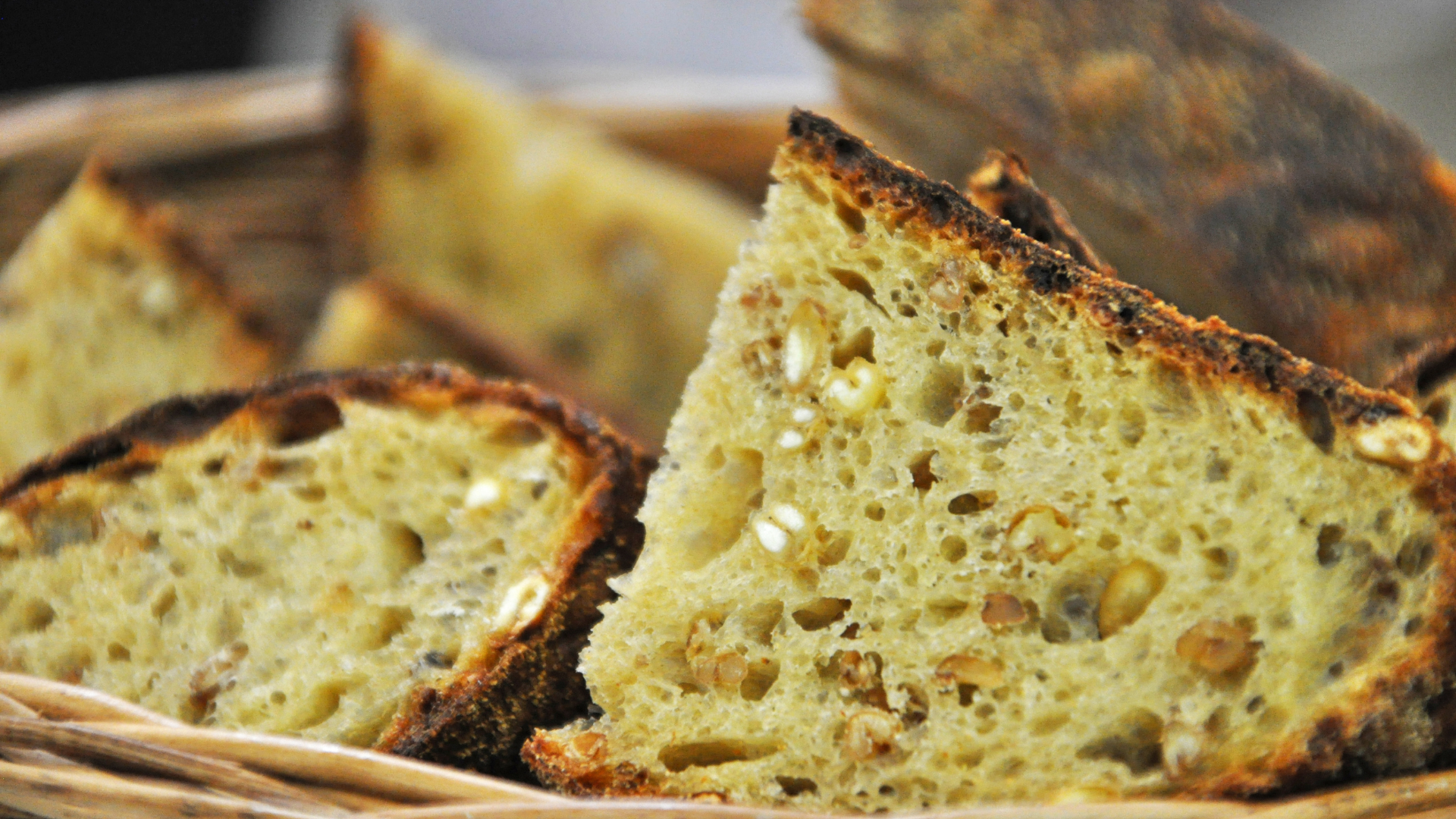
In summary, Tritordeum-based bread is an excellent functional food that fits well into a healthy diet. Its lower immunogenic gliadin content and high fiber content promote better gut health and digestibility. Meanwhile, its richness in antioxidants like lutein and polyphenols supports systemic health benefits, including inflammation reduction and protection against oxidative stress. Together with its balanced nutritional profile and appealing sensory qualities, Tritordeum represents a promising cereal crop for consumers seeking both health and enjoyment in their bread.
References:
1 – Sánchez-León, S. et al. (2021). Tritordeum breads are well tolerated with preference over gluten-free breads in non-celiac wheat-sensitive patients and its consumption induce changes in gut bacteria. Journal of the Science of Food and Agriculture, 101(8), 3508-3517.
2 – Suchowilska, E., Radawiec, W., & Wiwart, M. (2021). Tritordeum – the content of basic nutrients in grain and the morphological and anatomical features of kernels. International Agrophysics, 35(4), 343-355.
3 – Rodríguez-Suárez, C., Mellado-Ortega, E., Hornero-Méndez, D., & Atienza, S.G. (2014). Increase in transcript accumulation of Psy1 and e-Lcy genes in grain development is associated with differences in seed carotenoid content between durum wheat and tritordeum. Plant Molecular Biology, 84(6), 659-673.
4 – Ali, R.F.M. & Alabdullatif, N.A. (2025). Impact of incorporating different levels of tritordeum flour on the nutritional, quality and sensory properties of beef burger samples. International Journal of Food Science and Technology.
5 – Li, J., Zhang, S., Liu, C., Yin, Y., Sun, X., & Wu, J. (2023). Characterization of Ash Content in Wheat Flour Using Data Fusion. Infrared Physics and Technology, 133, 104792.