YOUR CART
Subtotal:
€25.50
BEST SELLING PRODUCTS


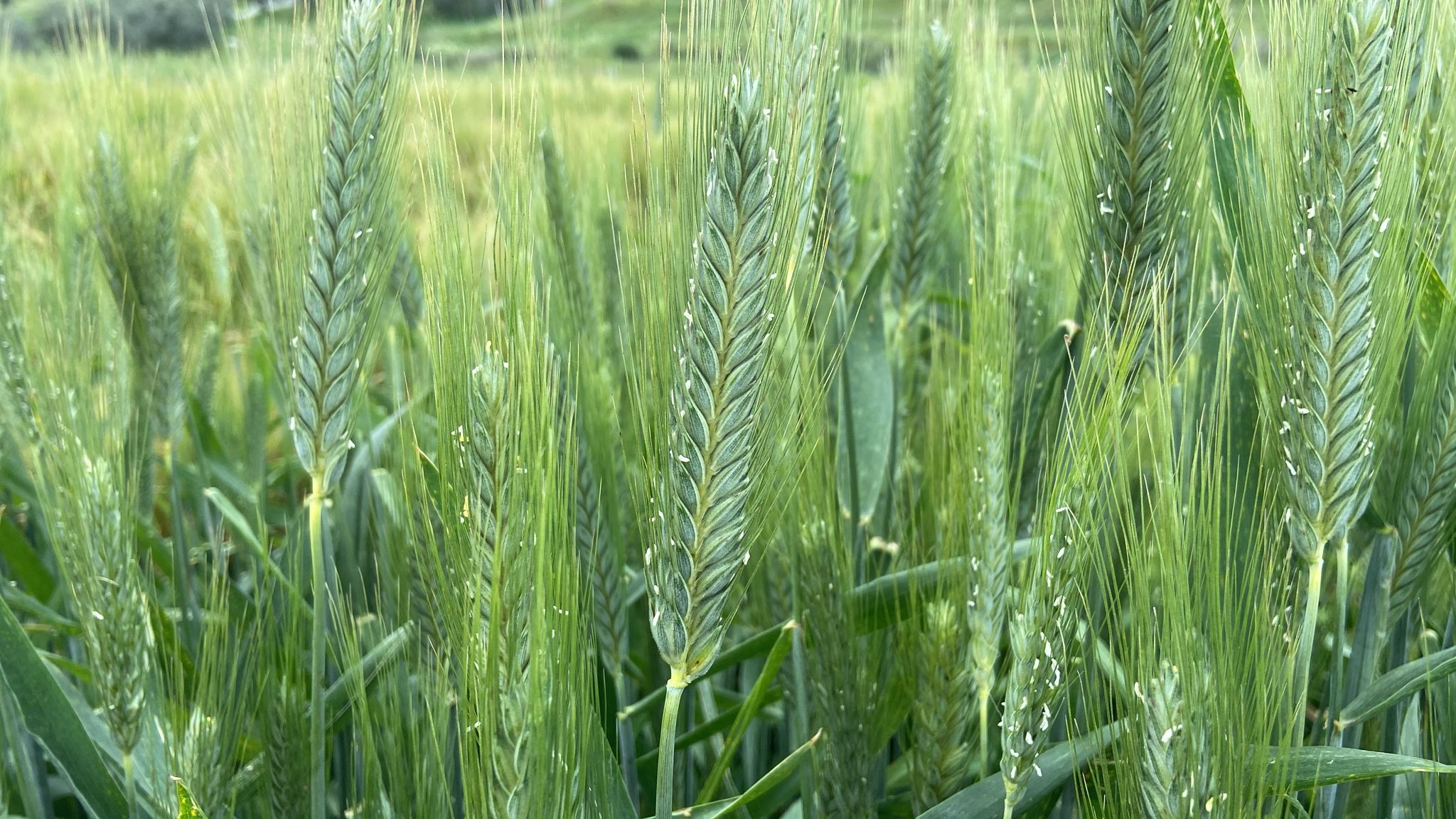
This study evaluated the effect of sowing density and nitrogen fertilization on agronomic and grain-quality parameters in five advanced Tritordeum lines, compared with two durum wheat and two bread wheat lines. The experiment tested three sowing densities and three nitrogen fertilization levels, assessing their effects on yield, total grain protein and starch content, gluten protein fractions, and non-gluten proteins. Nitrogen fertilization had a significant effect on all measured parameters, while sowing density significantly affected only grain starch content, non-gluten proteins and the gliadin/glutenin ratio. No significant interaction was found between nitrogen fertilization and sowing density. For Tritordeum, the study concluded that maximum yield was obtained with 450 seeds/m² and 150 nitrogen units, whereas higher protein content was favoured by 250 seeds/m² and 225 nitrogen units, producing high-quality Tritordeum grain with relatively low gluten content.
This publication is important because it evaluates how two key agronomic management factors — sowing density and nitrogen fertilization — influence both yield and grain-quality parameters in advanced Tritordeum lines.
The study is especially relevant for farmers, breeders and processors because it helps define how Tritordeum can be managed depending on the production objective: maximizing grain yield, increasing protein content, or improving quality traits linked to gluten composition and starch content.
This study shows that nitrogen fertilization is a key management lever for Tritordeum, with a strong influence on yield, protein, starch and gluten-related quality parameters.
From a practical perspective, higher sowing density combined with moderate nitrogen fertilization may support yield optimization, while lower sowing density combined with higher nitrogen fertilization may be more suitable when the objective is to increase grain protein content.


